Yesterday, I spent half an hour cleaning my main email inbox. Looking at the full screen of "Big Sale Previews," "Your Account May Be at Risk," "Free Industry Whitepaper Downloads"... I was deleting while sighing.
It's 2026 already! AI can help me write code and create videos, so why is my inbox still a total garbage dump?
Later, I complained to a friend who works in cybersecurity, and one sentence woke me up: "The most advanced strategy to prevent spam is not to intercept it, but to never expose your real identity in the first place."
Today, let's talk about how I protect my privacy and keep spam emails under control in this internet environment where you need to "leave your email" for everything, by relying on a "cyber alias."
🛑 In 2026, Why Are We Still Being "Besieged" by Spam Emails?
You might say, "Can't I just set up filtering rules?"
Friends, modern marketing tactics have already evolved. AI-generated marketing emails not only have misleading subject lines but can also bypass various complex spam filters. What's even scarier is data resale – the email you leave on some obscure forum may be packaged and sold to three gray industry teams.
So, my core approach to dealing with spam emails now is simple: physical isolation.
When I encounter those rogue websites that say "no registration, no content" or "just want to download a small tool but need contact information," I will definitely not give them my main email anymore. At this point, a disposable email is my ultimate defense line.
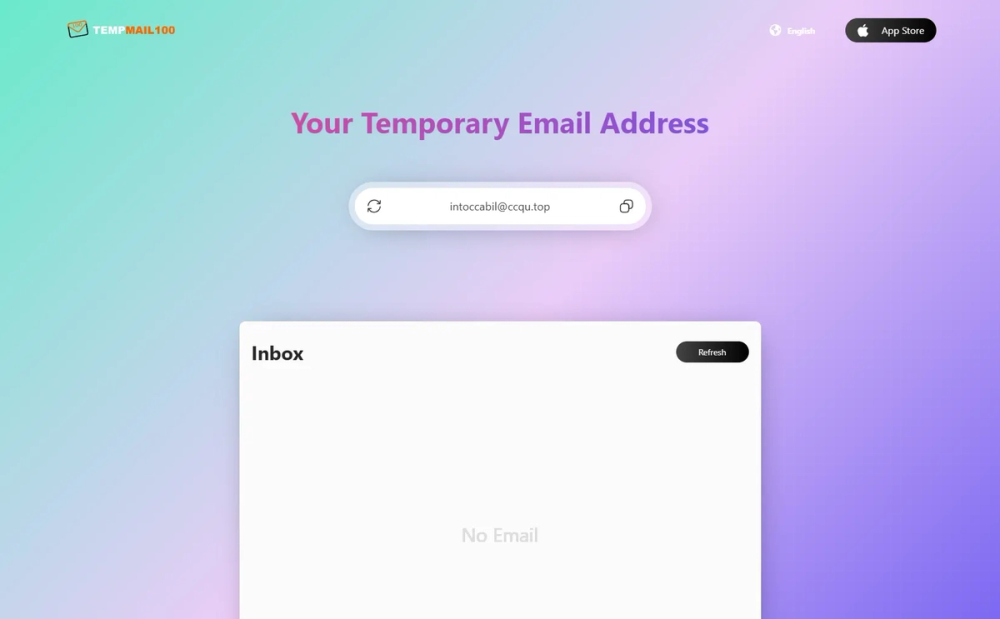
🦸♂️ My "Digital Alter Ego": Why Did I Finally Keep TempMail 100?
Over the years, I've been a "guinea pig" and tried various tools on the market. But honestly, most experiences were terrible: some websites were full of flashing gambling ads, and finding a "copy" button took half a minute; some domains were already blacklisted by major platforms, and receiving a verification code took longer than waiting for food delivery.